Despite having been so close to Stonehenge throughout University, I genuinely had never been. I had seen pictures on social media of people going and how much joy and curiosity it filled people up with. However, I genuinely thought ‘cool, rocks, i guess?’ Silly doesn’t even cover half of it.
It isn’t till I read more about it that it became clear just how amazing this place truly is. With a hint of magic, major historical mysteries and some crazy ancient engineering how could you not want to at least see it, and try to understand it. Think I’m crazy? Just wait.
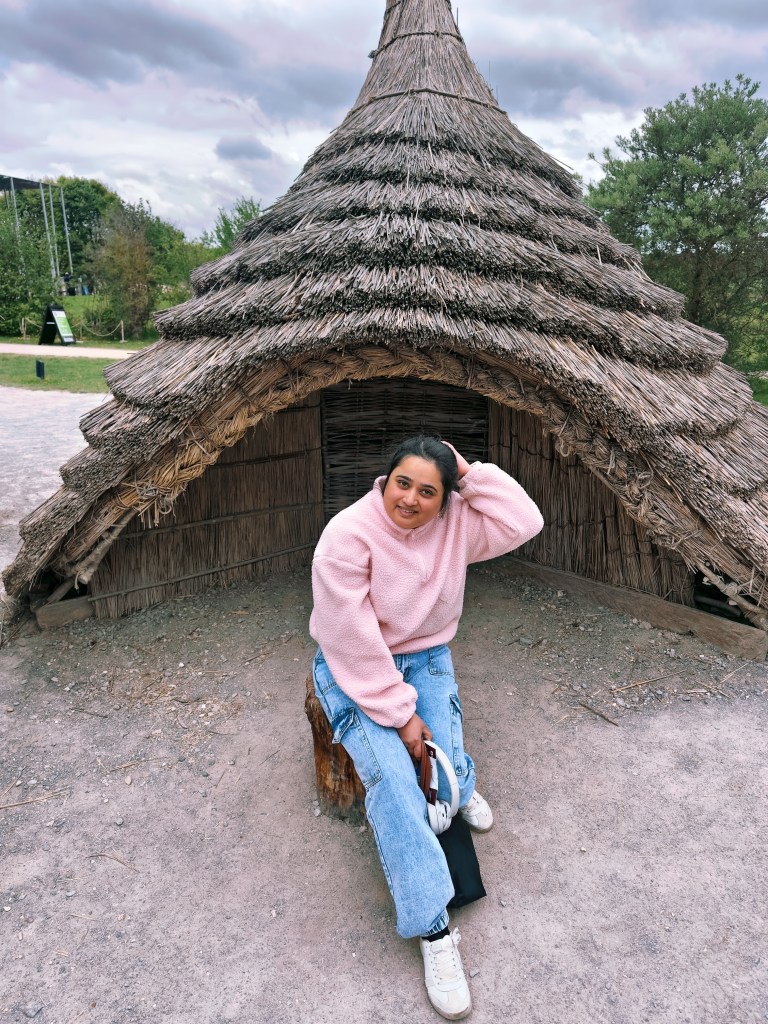
The Basic Lowdown: What is Stonehenge ?
TO truly understand what stonehenge is, we have to be transported back in time, think well before the ancient egyptian pyramids, before the great wall of china, even before our recent religions…we’re talking about 5000 years ago… before the invention of the wheel, before power tools, beore printed paper to even be able to draw up the maps.
The Ancient structure is a circular structure found in Wiltshire. It is huge! To think about how big the stones are – reaching up to roughly 8 meters in height and the average one weighing 25 tonnes (about 25,000kg- as per the heritage site). The size and weight shocked me as well, can you imagine that the people that built this – did so by hand!
There were two types of stones used here- the larger stone structures on the outside known as sarsen and the inner smaller stones called ‘bluestones’. Transporting some of these stones from as far as South Wales (though some of these have been thought to be done by boat), but carrying this in 3000BC would have taken a lot of strength and time.
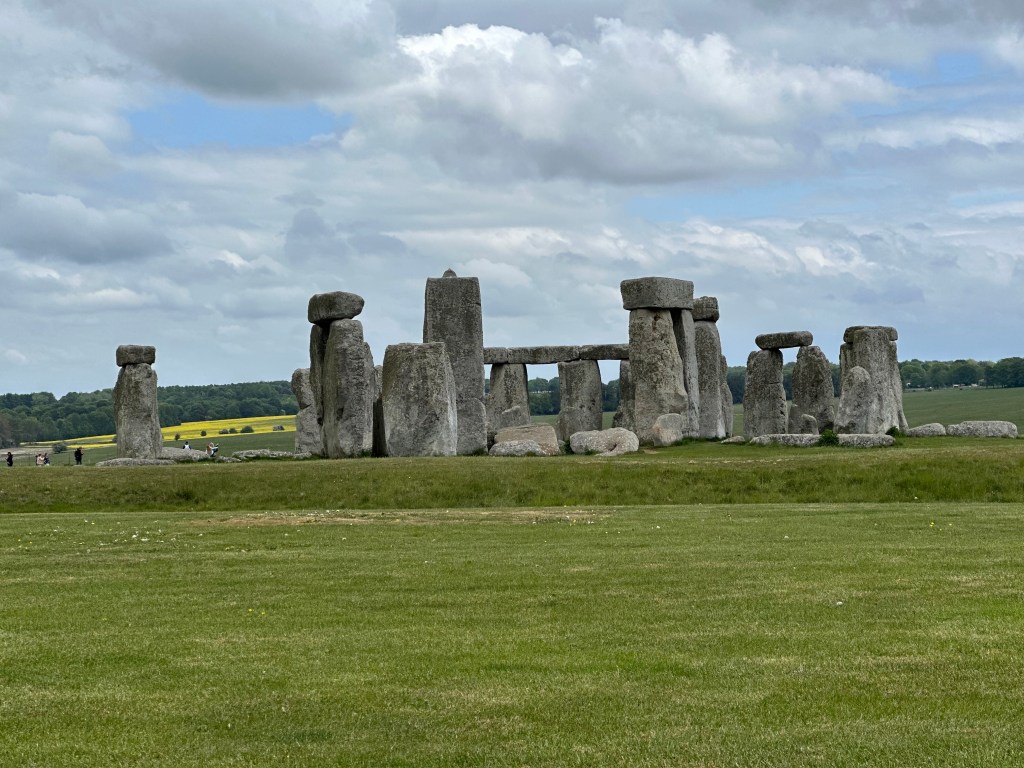
So why was it built?
Despite centuries of looking into this, no one has quite agreed on the reason for it being built, with multiple theories surrounding it.
- An ancient astronomical calendar
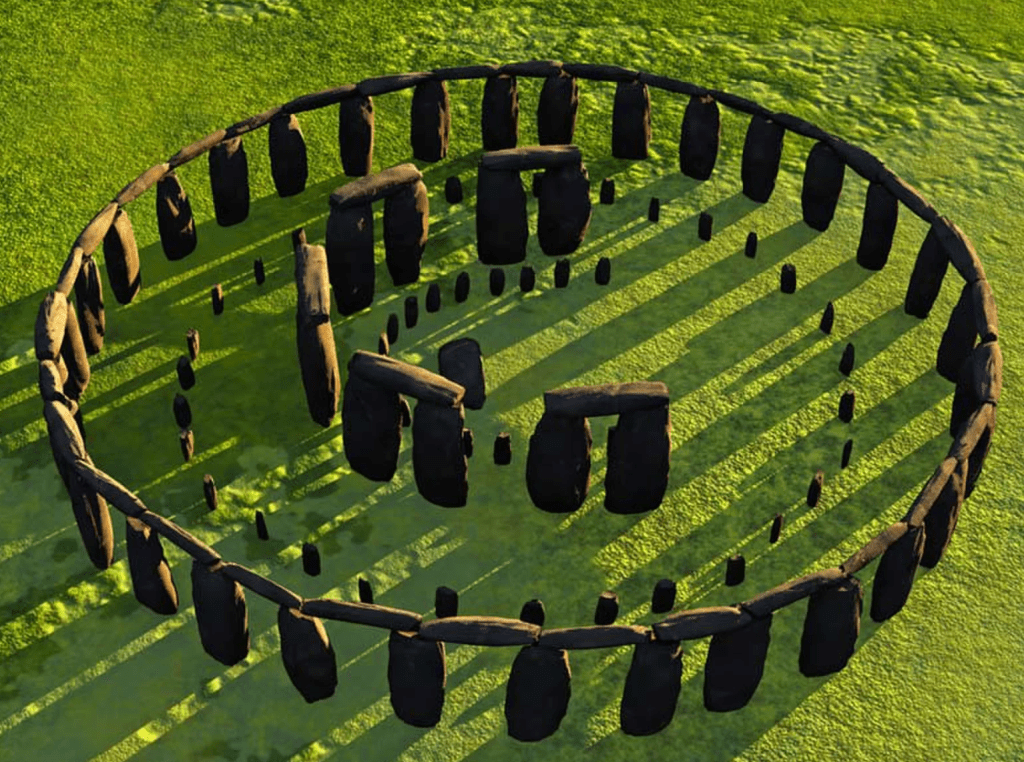
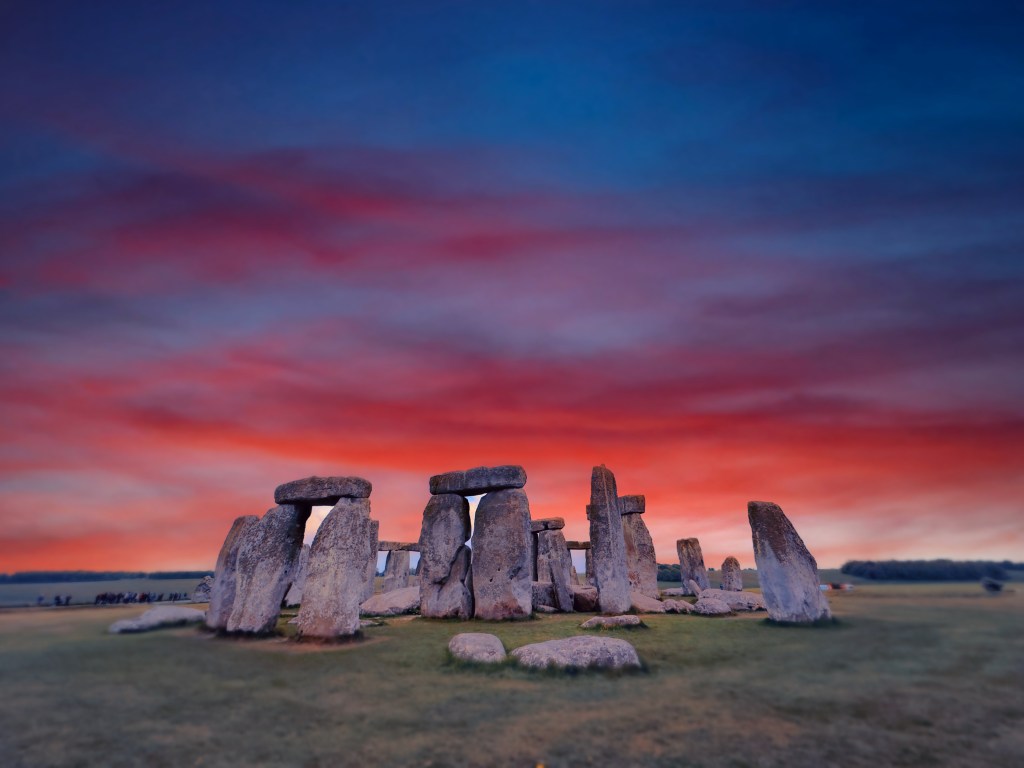
Today this circle has 98 stones, with many of the original 30 sarsen stones having fallen down from the outer circle. However originally it was supposed to be as seen above 30 stones, which could have represented the 30 days of the month (with each month divided into 3 weeks of 10 days each). In addition to this 5 more days were needed + an extra day every leap year, which are represented with the 5 stones in the inner circle, thought to be dedicated to the deities of the time. So generally speaking the summer and winter solstice would be represented by the same stone each year, so if done correctly, they would correctly mark the beginning of the new year.
Amazing right?
This was a method used by many countries, included in Egypt and India from around 3000BC, which may suggest the influence from other countries as well. Super interesting right? So in essence this is a prehistoric calendar which weighed about hundreds of tonnes and took over a thousand years to make.
2. A Burial Ground for the Elite
As you go into the site, at first you’re introduced to the museum. Here they represent an interesting story- that there are 50,000 cremated bone fragments found at this site with up to 63 individuals, ranging back from 2000-3000 BC. This includes, fragments from men, women, children and even animals (thought to have been sacrificed for rituals at the site). The data for this comes from the remnants from aubrey holes found at the site. At stone henge these are 56 holes found at the sites inner bank, and are presumed to be used for deposits following rituals (possibly post cremation. (1) Around 100 years ago, some of the remains were excavated and discarded as unimportant, however with newer technology and new ways to investigate there is more information about the people, the grave sites and even the rituals from this place.
3. The ceremonial or spiritual site
Lets remember that the specific stones used at this site were transported up to 600 miles either from Wales or from Scotland, with the combination of bone fragments found here, there has been a suspicion that this was used to make a ceremonial site, a place of healing or a temple for the sun.
Stonehenge as a Dynamic Sacred Landscape
Ok, not going to lie, it was while I was doing some research on stonehenge is when the term ‘dynamic sacred Landscape’ came up. But what is it?
Its seems to be a archaeological term used to describe multiple places of spiritual, ceremonial or ritual significance which are spread across this land.
So how does this tie into stonehenge? Well as it turns out, there are multiple sites nearby which connect stonehenge to some of the landscape around it. These include:
- Durrington Walls – this was a likely festive or ritual village which surrounded stonehenge, around 2 miles from the site. Its thought to be the site where builders of stonehenge or the people involved in rituals lived. Thought to be a lively village at the time- archaeologists have even found evidence of pork and beef feasts in this area- possibly for the solistices.
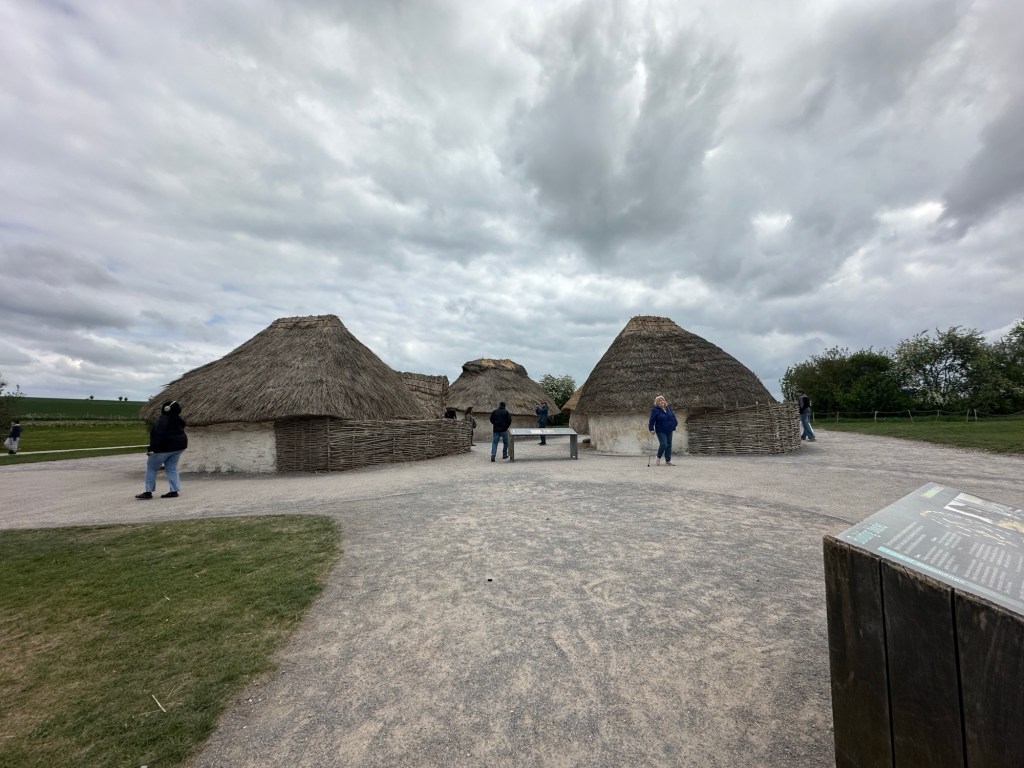
You can see the remake of the village at the museum when you visit stonehenge.
2. Woodhenge
Sadly, I didn’t know about this prior to coming here, therefore didn’t get a chance to visit this. However the site is only about 2 miles away from the stonehenge site, and likely represents a ceremonial site, possibly linked to life/death symbolism.
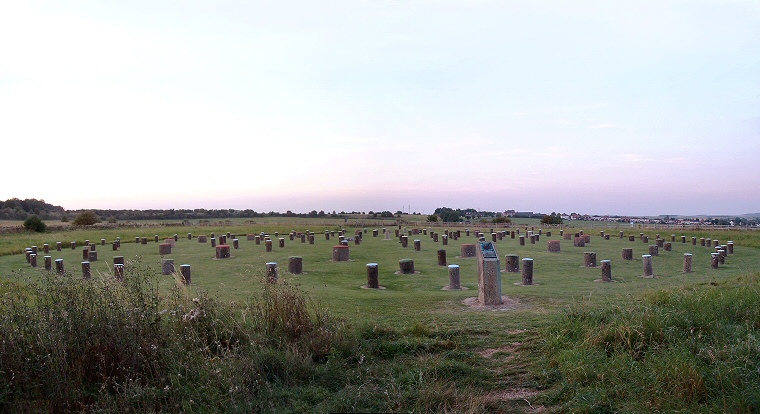
3. The avenue- a processional route linking stongehenge to the river avon
4. the barrows (burial mounds) scattered throughout the nearby fields
these have been thought to be connected both physically and spiritually and form a ritual landscape that people travelled throughout key moments in the year.
Visiting Today- What to expect
- Tickets
Ok this isn’t the cheapest place to visit, and honestly I personally found the price quite steep for what you get. However, the prices are listed below. I went in the Spring of 2025, and the line was about 20mins on a very windy day, however from reading reviews I would highly suggest booking in advance prior to getting there.
You can book the tickets in advance as the prices are usually a little cheaper if you book in advance. The price list is below. You can book directly from the English Heritage Site – which is the offical website to book from. There are timeslots here to help manage the crowd.

- Plan your transport!
It is about 2 miles from the nearest town – Amesbury nd around 10miles from Sailsbury.
There is onsite parking for those who drive.
Or there is a stonehenge bus tour from multiple different cities. I’ve linked the website below for the tour from london.
- Don’t expect to touch the stones
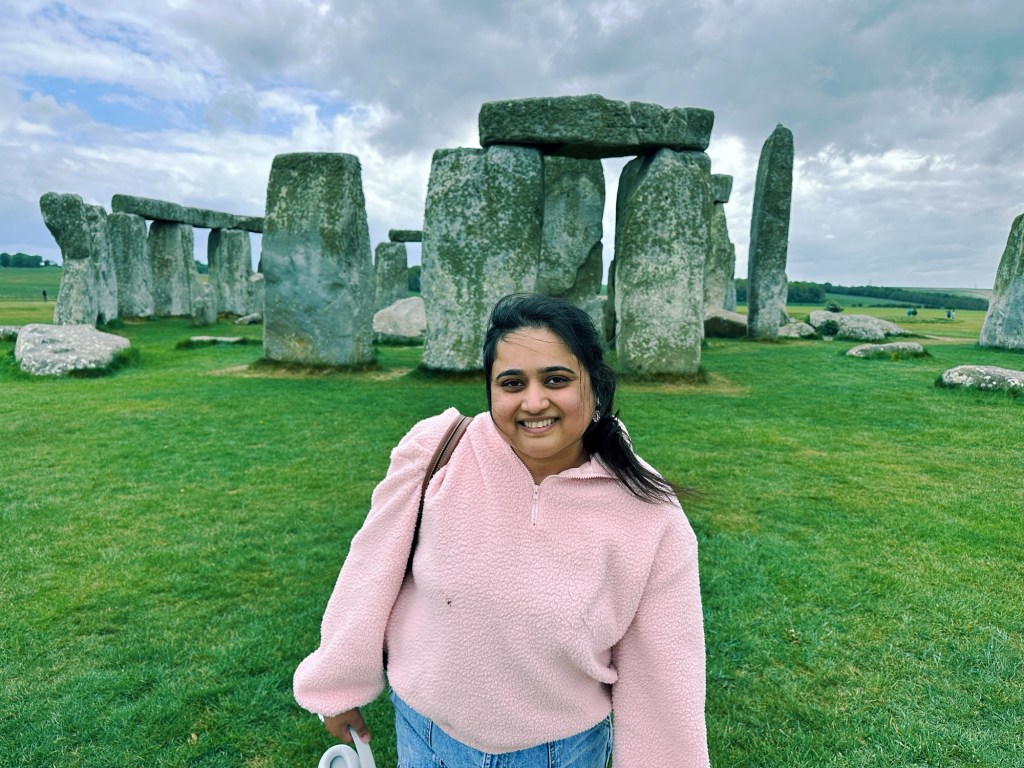
Once upon a time this was possible. A colleague of mine was telling me that a few decades ago, they would go and be able to sit between the stones. Now however, they warn that the land is very delicate and have cut off access directly to the circle.
The views are still fantastic though
- Explore the visitors centre!
The visitors centre has lots to see and super interesting views. Combine this with the free app and there is a virtual guide with you. (i would recommend downloading this before you get there, as the signal isn’t the best over there! Audioguide (it will guide you from here to your relevant app)
The visitors centre is basically a museum which is included in your ticket. It has neolithic artifacts, information about the people that once lived there including things like bones, beds, pottery, tools and hearths that give you a real idea what it was like back in the day.
Final Thoughts: More than just a circle of Rocks
Ok so its not just a lot of rocks in a circle- I think we’ve all seen that, but once you’ve walked into the circle, explored the visitors centre and understood the mystery and depth behind this site, it sticks with you..in the best way possible. Whether you love history, or are a nature lover, this 3000BC artefact will encapture you, and make this trip very memorable. So go wander and wonder and who knows what you might find there for yourself. and Pssst….let me know what you thought of it down below.
xoxo twomedicsandacamera
 Two Medics And A Camera
Amazing pics and loved the article!
LikeLiked by 1 person
Thank you!! 😊 it’s a beautiful place to visit!
LikeLike