*ring ring*, it was Stefania. My friend who’d I’d met in my travels through Cyprus last year. One of the few where we had actually managed to stay in touch and had promised to see each other again in a different country, under a different sky.
Excitedly she said ‘sooooo, Venice carnival? Are you in?’
And it was as little as that, which found me in Venice, less than a month later.
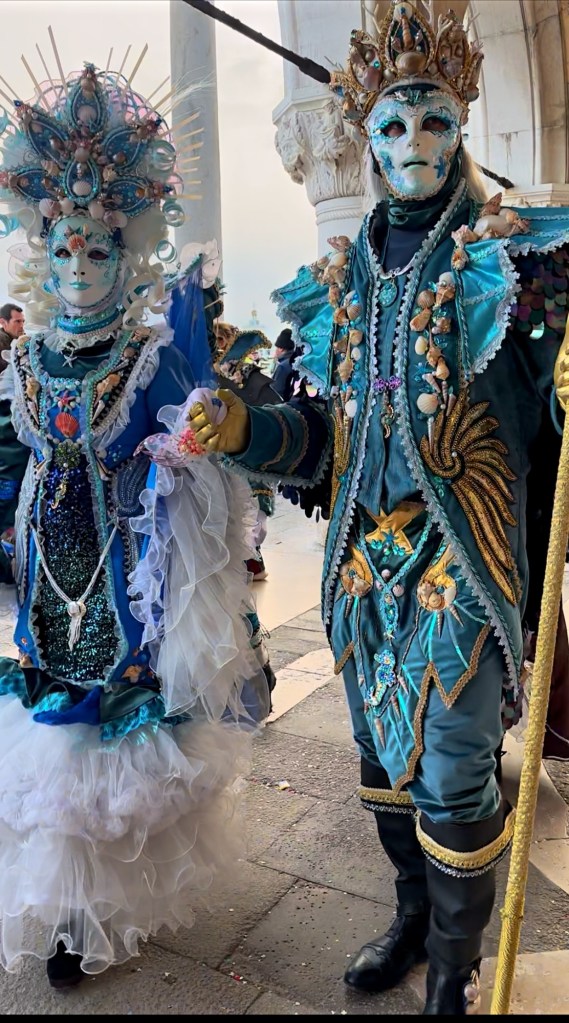
But what was I here to see? I didn’t know much about the carnival. I had heard of the Brazil one, but did you know Venice had a carnival. I had briefly spoken to my friend about it, who briefly declared ‘it’s like comic-con for people who love Bridgerton’. Well, I loved Bridgerton, so what did I have to lose?
The origins of Venice Carnival
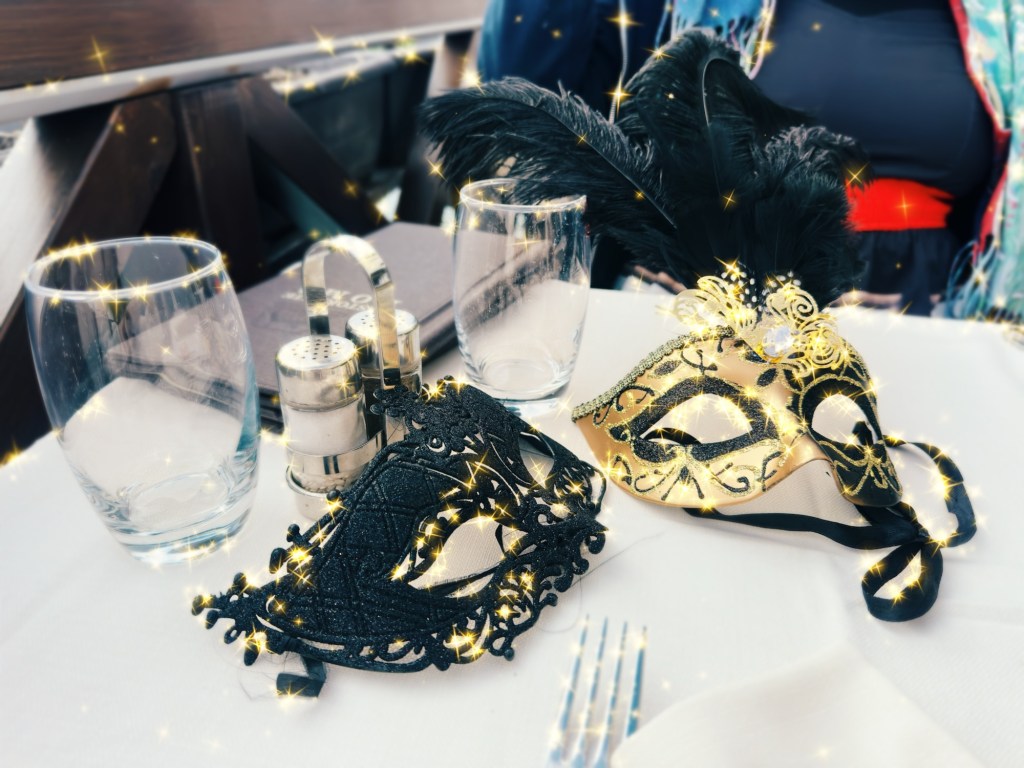
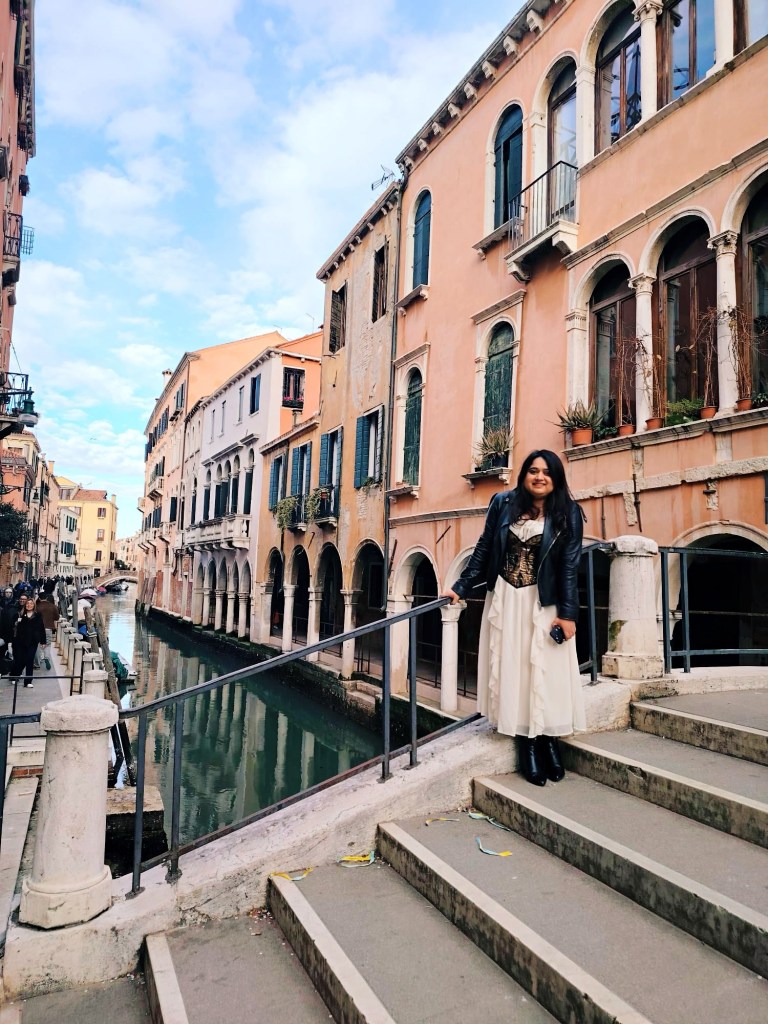
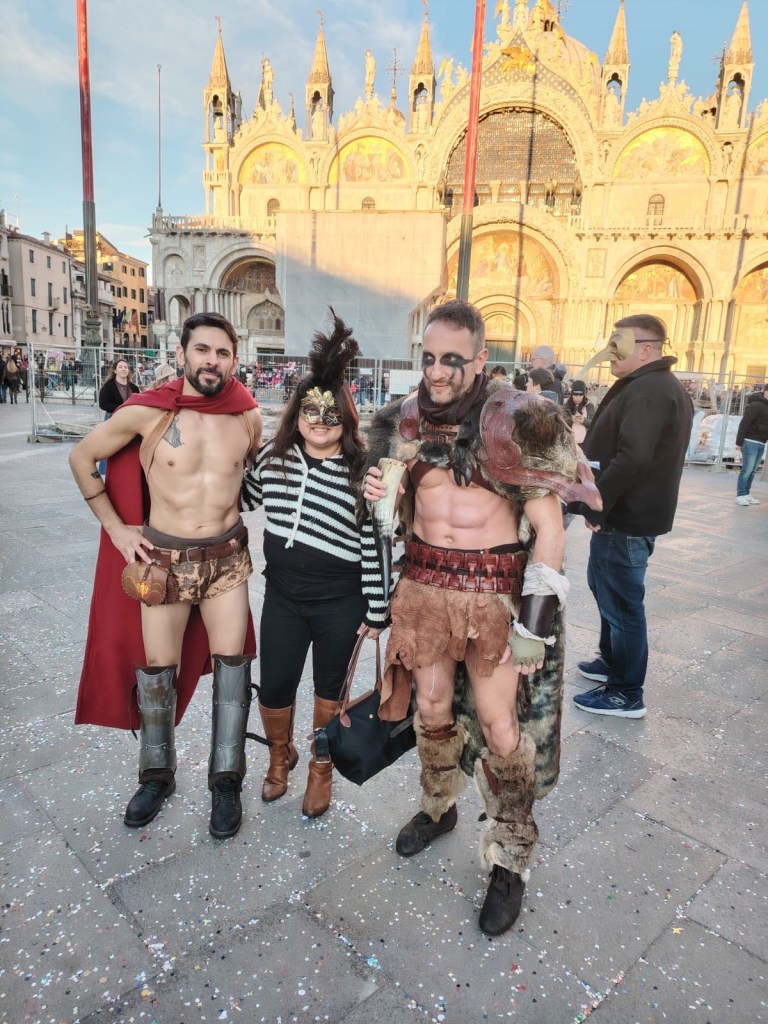
And suddenly I was in Venice. Stood alongside the canals, the ferry boats, the gondolas as they all swished past me. I have experienced the magic of Venice in the past but you don’t realise quite how magical it is until you are stood in the winding streets, surrounded with the mystery, chaos and history, not to mention the masked revellers everywhere at the time of Carnival. The quaint, serene city becomes abuzz with excitement, intrigue and suddenly you are part of it.
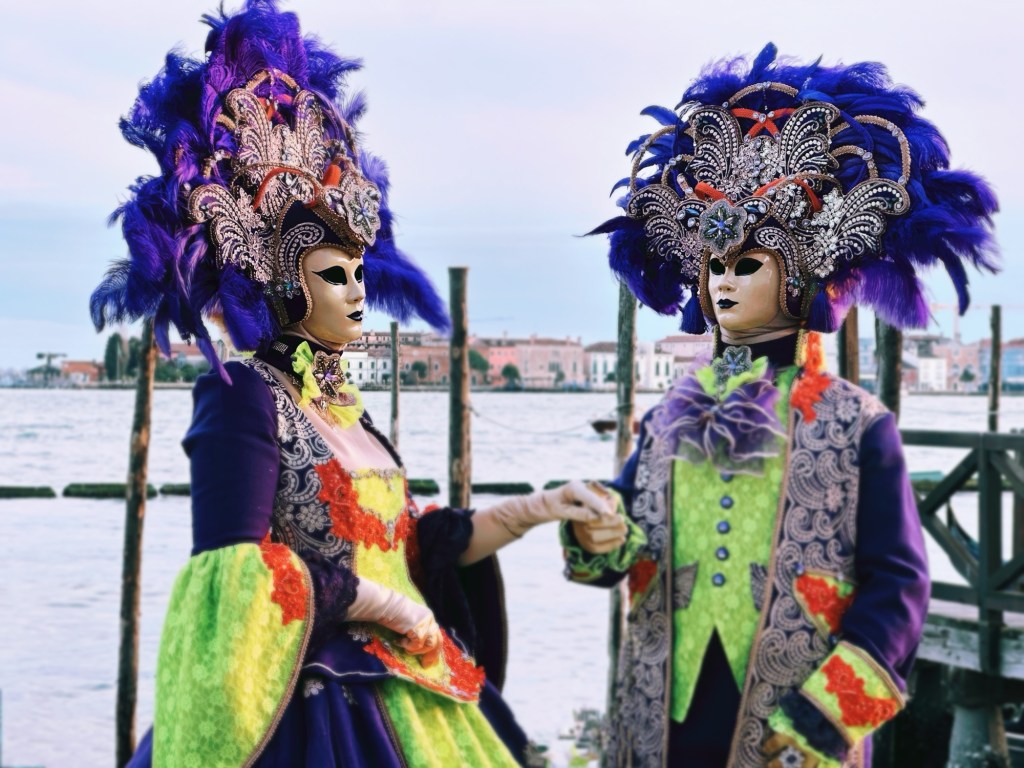
It’s incredible to think the carnival started all the way back in the 11th century, before social media ran amuck and to have fun, and seek out connection was to have some fun before all of the solemnity of lent began. But oh how this changed! By the 14th century it looks like the whole carnival became a spectacle and the introduction of masks meant that the social classes could interact and have fun with absolute anonymity. They could indulge, gamble, drink, enjoy fireworks, dress up no matter what society expected from them.
So what did the locals do back in the day?
Today the carnival is rich with parades, costumes, balls and excitement. I was curious, if this was what it was like so long ago, and if the carnival had changed, after all Venice was known to be such a religious city- and it still is ( with a church on every island). So I decided to dig into this- what did the locals do?
- Eat eat and eat some more
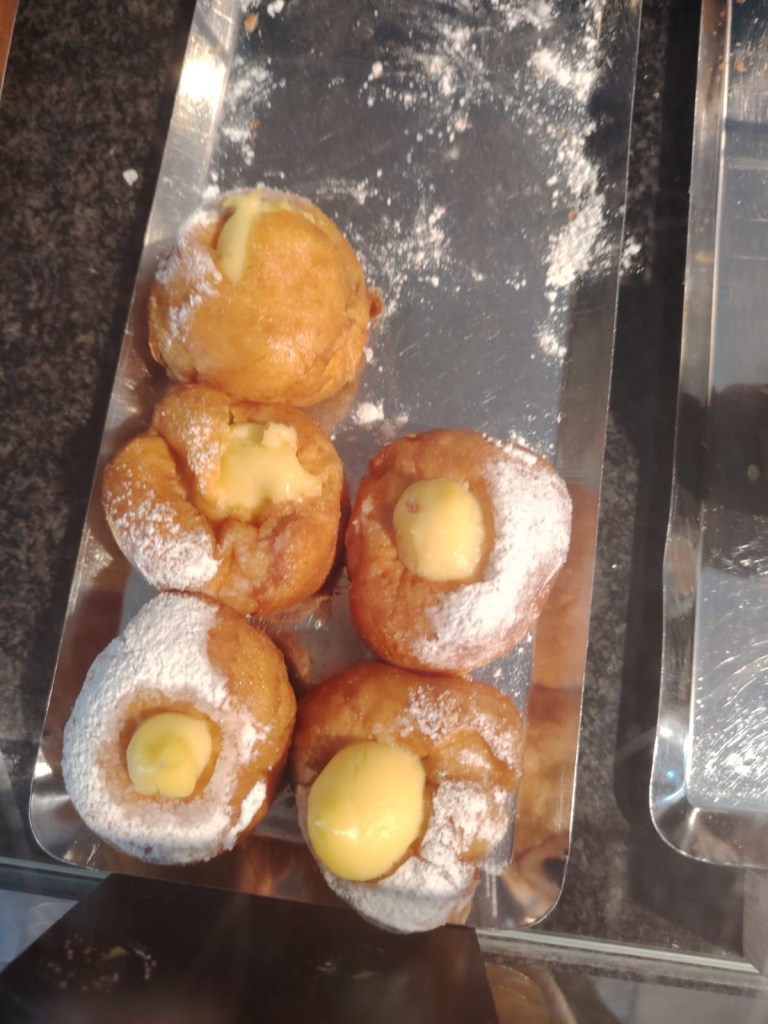
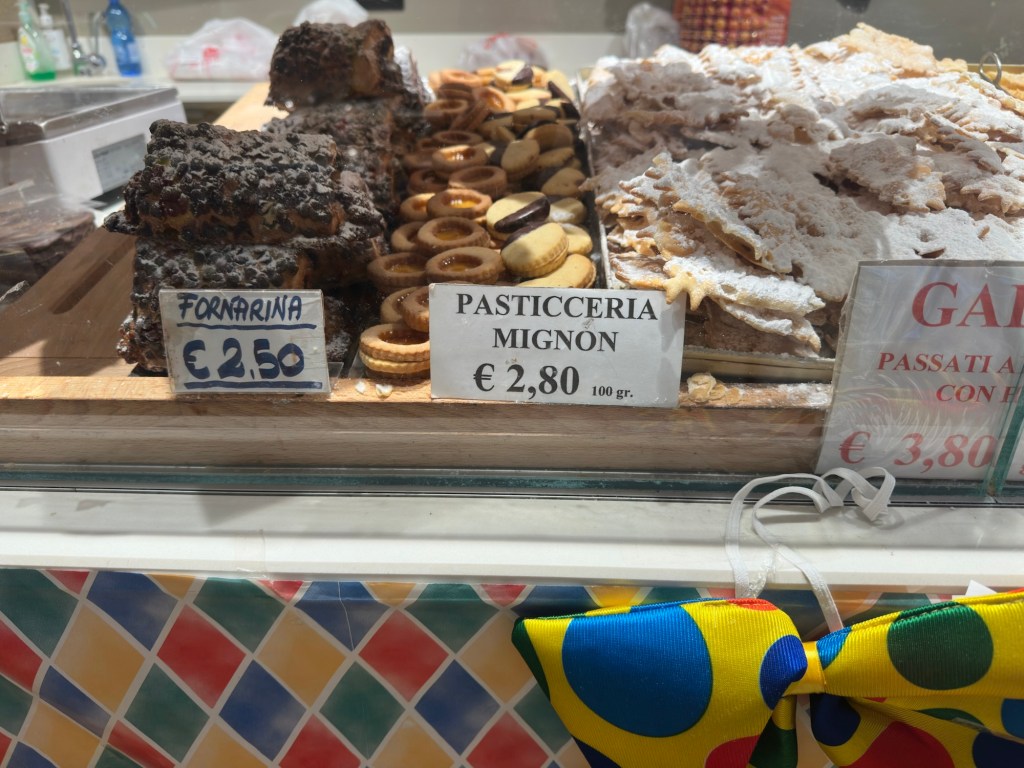
It was easy to see that food lines every street of Venice, whether it is during carnival or not. Pastries, tiramisu, frittelle, not to mention coffee, pasta and all of the other luxurious food that Venice has to offer.
(Have a look at the Venetian food I tried while I was there!)
It doesn’t take great imagination to see that the locals would have had their own share of fun with food. In fact, it is said that people would heavily indulge in wine and food just before the fasting and restrictions of lent hit.
2. Masquerades and colourful clothing
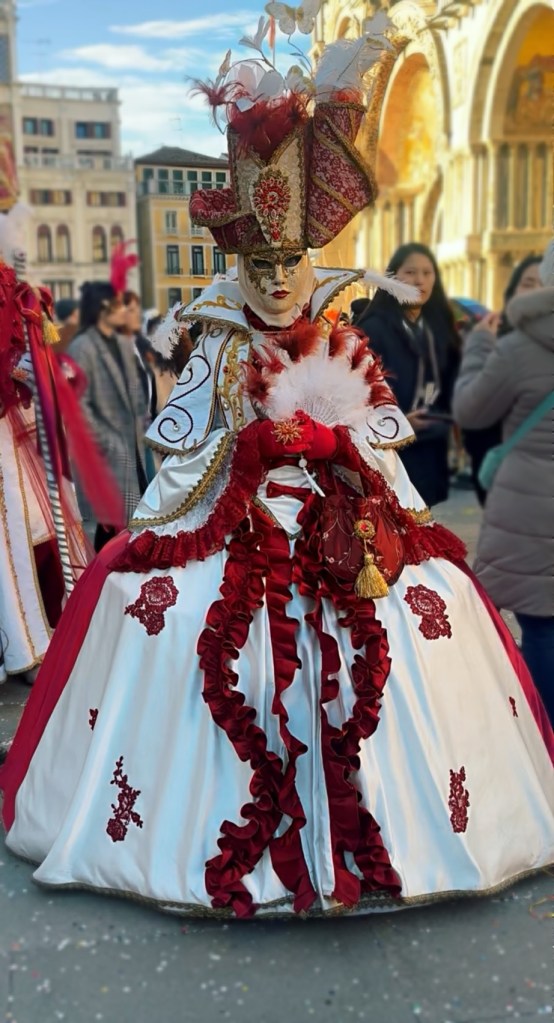
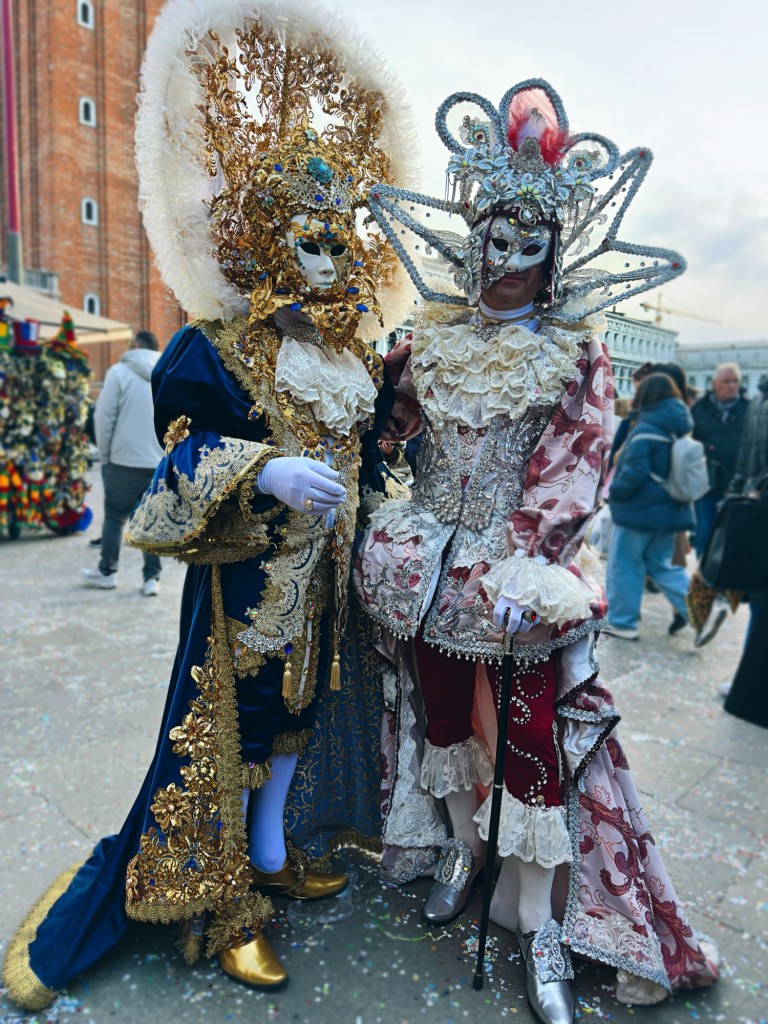
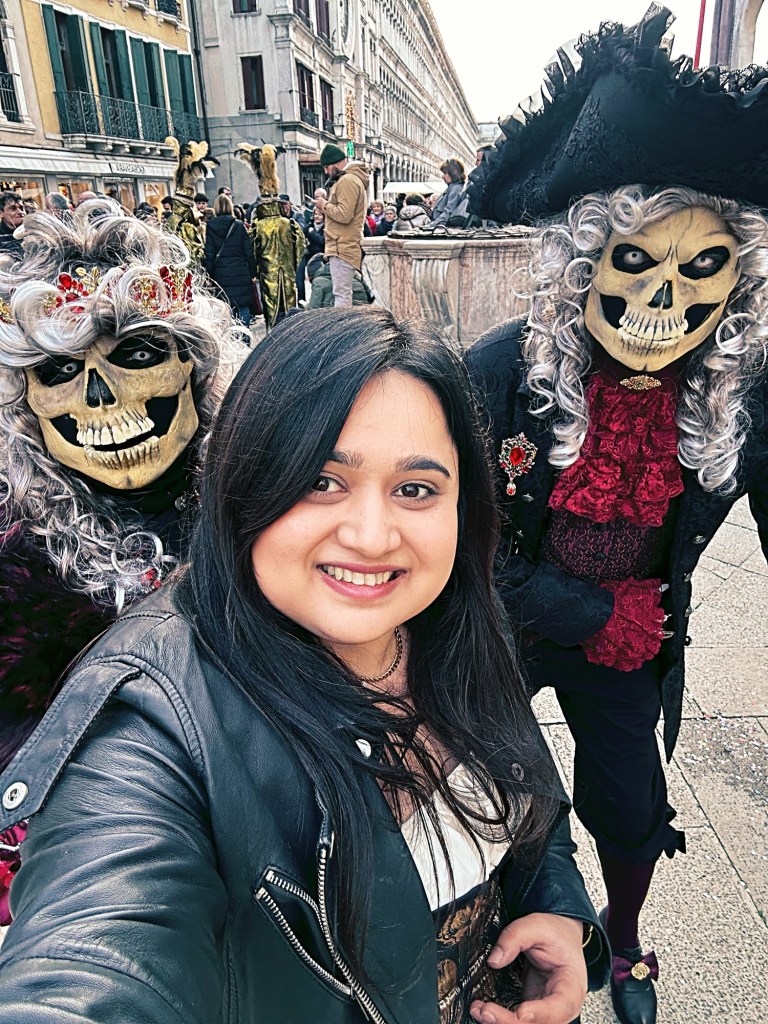
I think this is the most iconic part of the festival. Watching everyone; families, dogs, children, grandparents even today get dressed in the most vibrant colours, dresses and coats lined to the floors, feathers and capes. I mean look at this picture, the elegance alone is palpable. And no one speaks or says a word, keeping the anonymity completely intact. This has not changed, with such an emphasis on masks and elaborate outfits, it was an excuse for people to step outside their usual role and be whoever they wanted to be!
Today this tradition continues, with masquerade balls, parades and costume contests and everyone gets involved!
3. masked balls and socialising
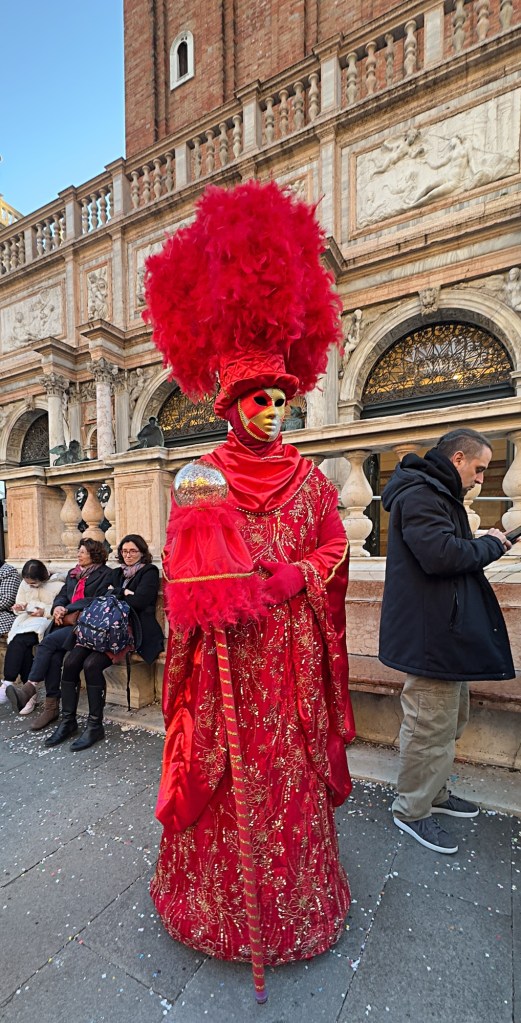
During the carnival, the nobility would attend extravagant balls, with elaborate costumes and masks, in the palaces and great halls. There would many masked balls happening in Venice. For the common folk, there would be street level socialising-
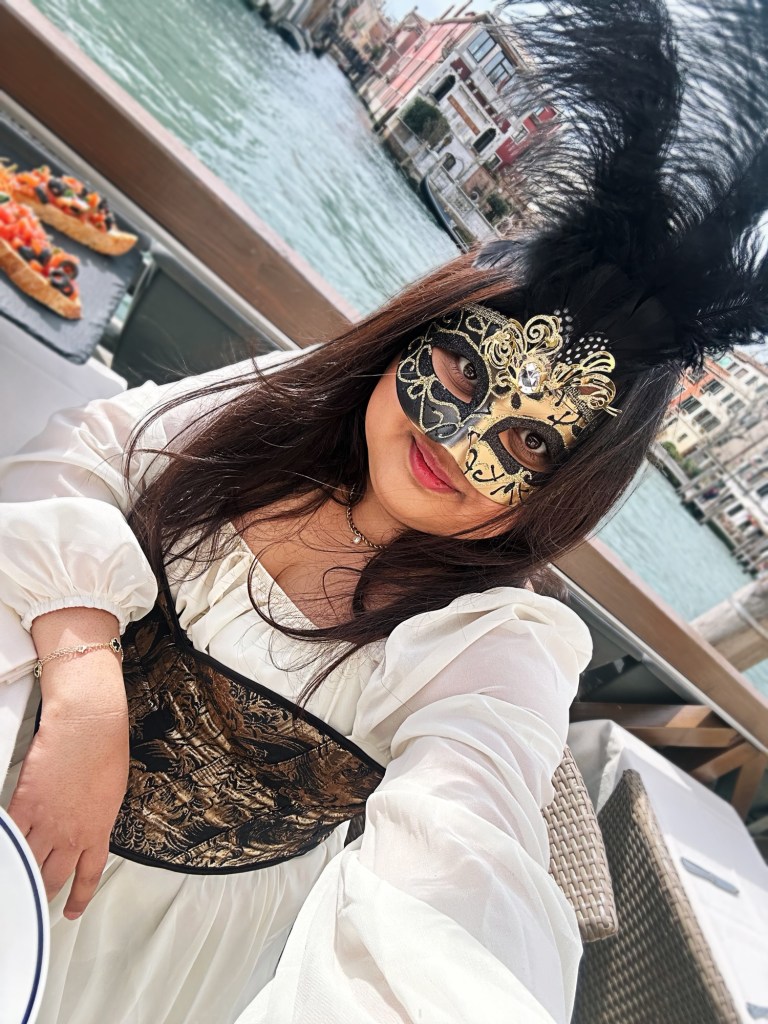
Today there are lots of masquerade balls happening in Venice during the time of carnival. The dress code varies from costume to evening wear.
There are multiple balls including ones at the Doge Palace, which has been ongoing since 1995. Very pricey (minimum of 300 euros for entry), so unfortunately we were unable to visit. However, as I understand, it is one of the best things to attend at least once in your lifetime.
3.5 Costume shops and dresses
While the masquerade balls are pricey, there are 100 ways to be involved with the masquerades themselves! Whether it is the mask workshops where you can make your own masks, or hire a costume for the event. Everyone can get involved.
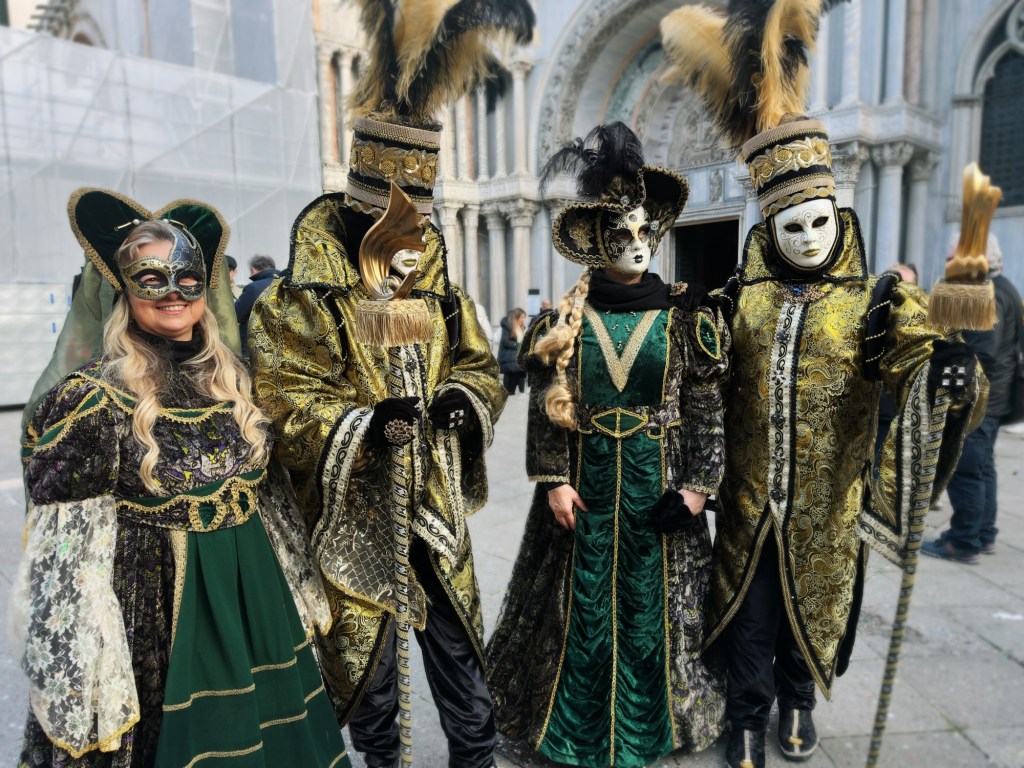
4. Street performances and commedia dell’Arte
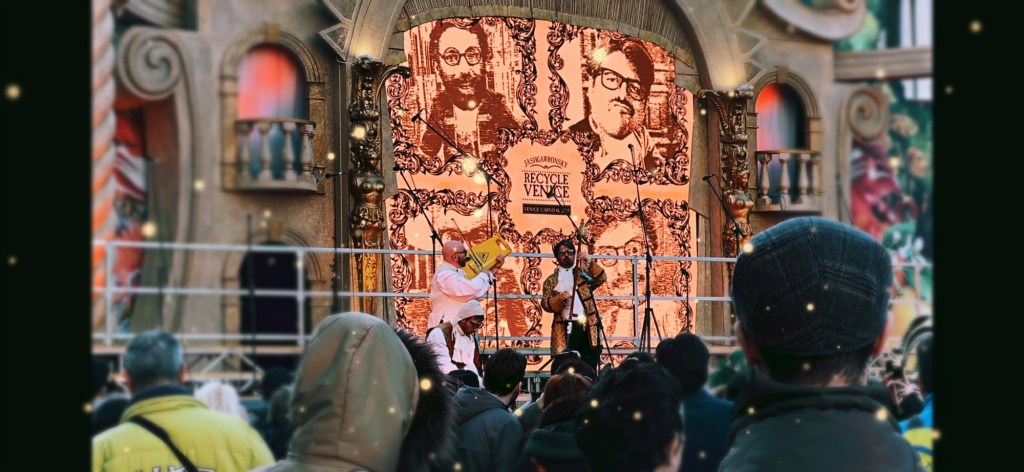
A version of slapstick comedy was very famous as the carnival developed.
5. The legend of the flying angel
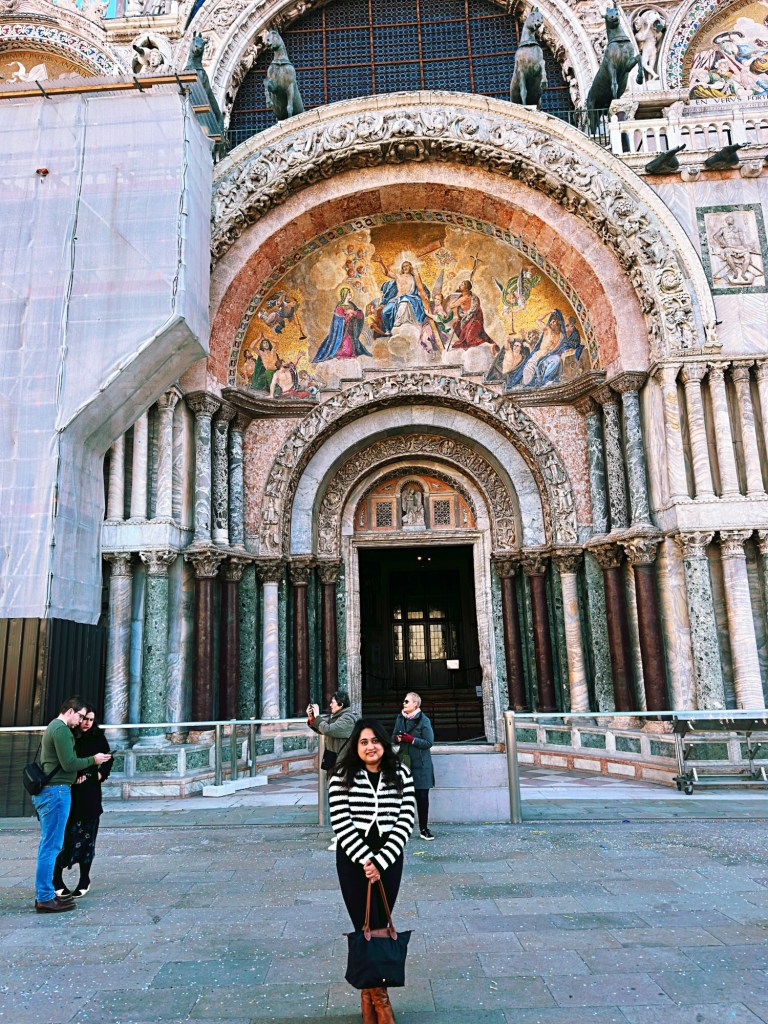
The legend of the flying angel is important to the start of the carnival and happens right here in St Mark’s square in the middle of Venice.
Imagine being transported back in time, and you’re stood in San Mark’s square, in the 12th century. The lore begins here, where as part of a religious celebration, there was a lady dressed up and was to glide down from St Mark’s Basicila into the middle of the square on ropes. The lady (or La Bella) is said to be the start of the legend.S
It is said she was supposed to represent Venus, however, something went terribly wrong with the ropes cascading her down and she was falling to her death. However, the actual goddess Venus, presented herself at this very moment, and descended her down very gracefully- like an angel.
The tradition started in the 15th century with the carnival showing this ‘flight of an angel’ to represent this moment, and has now been happening every year at the close of the event. It is definitely one worth seeing!
Conclusion
So did I enjoy the carnival despite not having a clue what it was before I came. A resounding and whole hearted yes!!
The colours were so vibrant, costumes of every type were wonderful, the music, the people l..the food! If not already on your bucket list add it now! And tell me about your experiences!
 Two Medics And A Camera